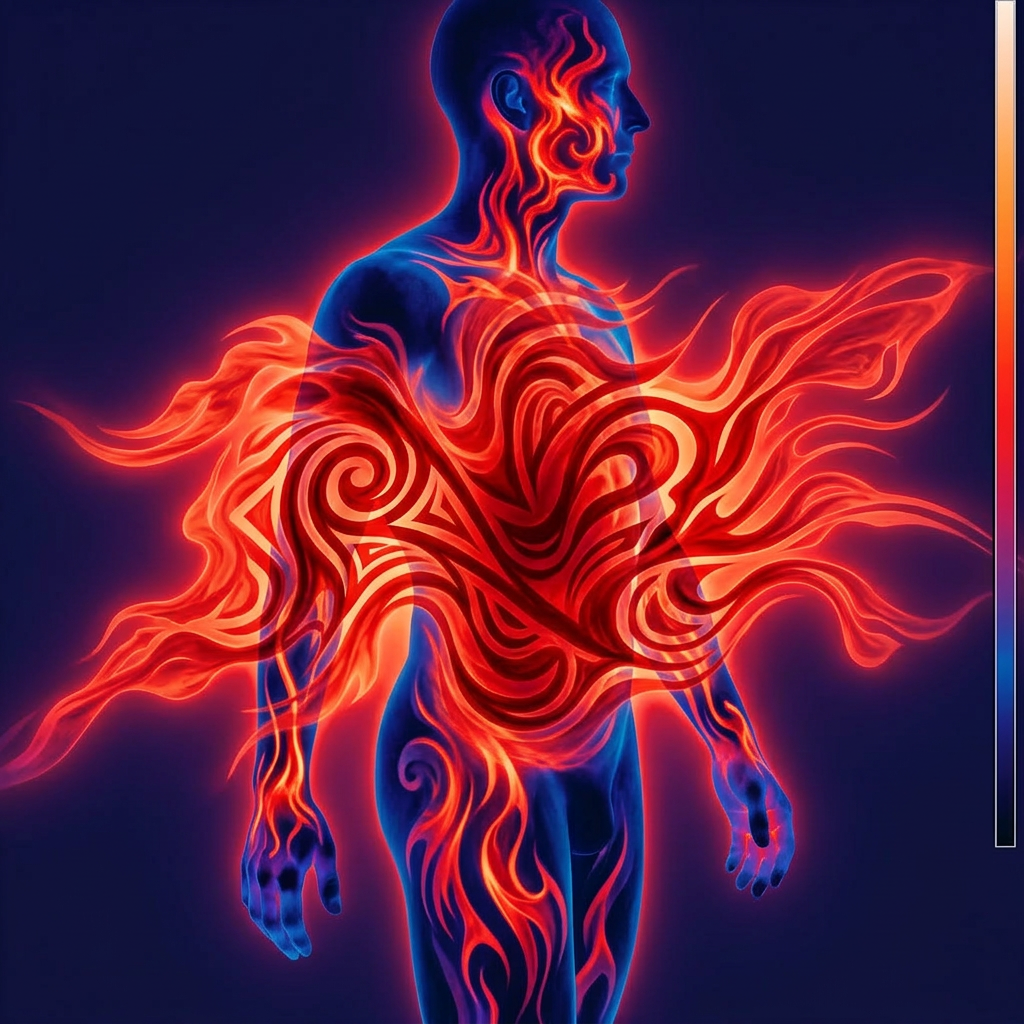
Today is a record-hot day here, and it’s hard not to notice how quickly the heat affects everything—energy levels, mood, focus, and physical comfort. These kinds of extreme temperature days also offer a real-time example of something that happens inside the body all the time: inflammation responding to stress.
Inflammation is not inherently “bad.” It’s a protective response—your body’s way of responding to injury, infection, or stress. But like heat waves in the environment, when inflammation becomes chronic or prolonged, it can start to feel overwhelming in the system.
On high-heat days like today, the body is already working harder to regulate temperature. That added physiological stress can contribute to symptoms many people don’t immediately connect to heat, such as:
- Fatigue or heaviness in the body
- Increased irritability or emotional sensitivity
- Headaches or brain fog
- Joint stiffness or generalized achiness
- Sleep disruption
For individuals already dealing with chronic inflammation, autoimmune conditions, anxiety, or high stress levels, extreme heat can amplify symptoms. It doesn’t create the underlying issue—but it can expose it.
From a mind-body perspective, this is where awareness becomes powerful. Just as you might adjust your physical environment on a hot day—seeking shade, increasing hydration, slowing your pace—your internal environment benefits from the same kind of responsiveness.
Some supportive approaches on days like today include:
- Increasing hydration with electrolytes when appropriate
- Prioritizing lighter, anti-inflammatory foods
- Reducing unnecessary physical and emotional demands
- Creating intentional rest periods rather than pushing through fatigue
- Supporting nervous system regulation through breathwork or grounding
- Listening to early body signals instead of waiting for exhaustion
Wellness is not just about long-term strategies—it’s also about how we respond in real time to what our body is experiencing right now.
At LifeHarmony Coaching, the focus is on helping clients understand these connections between daily life, stress, inflammation, and emotional wellbeing. When you begin to recognize your body’s patterns—especially in response to environmental stressors like heat—you gain more choice in how you care for yourself.
Health and balance are not about ignoring discomfort or pushing through it. They’re about learning how to adapt with awareness, compassion, and practical tools that support your whole system.
On a day like today, the message is simple: slow down, notice your body, and respond with care.
Action Step:
Take 10 minutes today to do a quick body check-in in a cool, quiet space. Notice where you are holding tension, where you feel drained, and where your body feels most affected by the heat. Then choose one supportive action—drink a full glass of water with electrolytes, lie down and elevate your legs, or practice 5 slow, intentional breaths. Small adjustments like this help interrupt the stress-inflammation cycle and support your body’s natural regulation.
Leave a Reply